
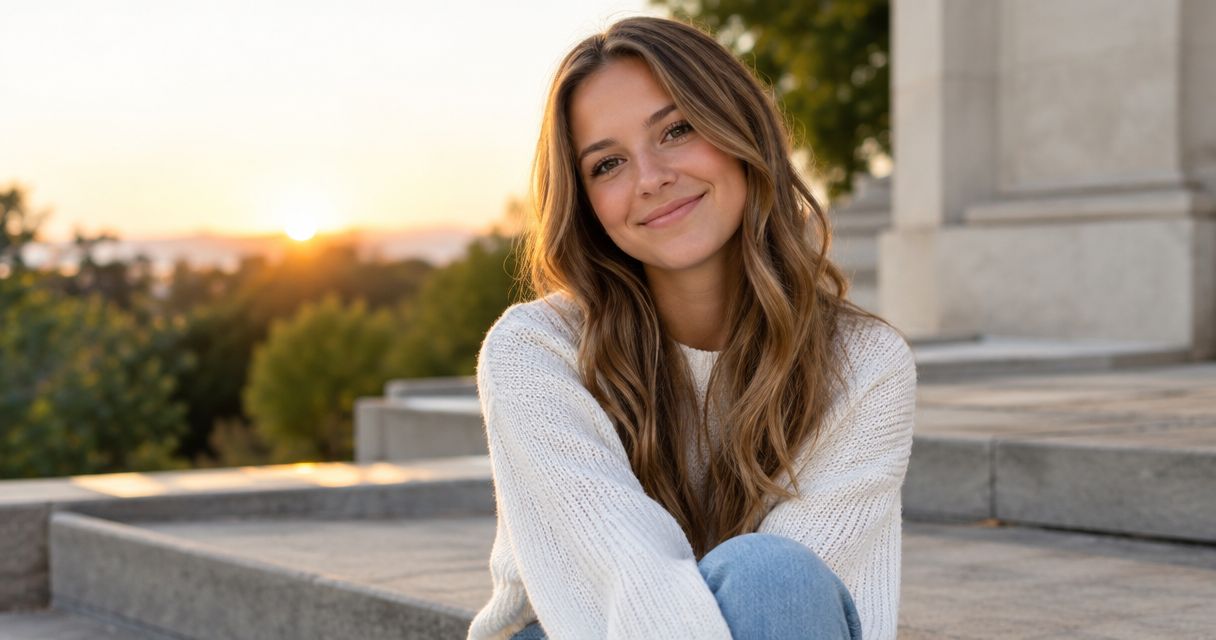
Best overall: relaxed standing. Best for movement: a slow walk. Best for supported posing: a seated lean. These are the best senior portrait poses for 2026 when you want photographs that feel considered without looking rehearsed.
TL;DR
- For Creative Wills Photography senior portraits, relaxed standing is the best starting pose for an undecided senior.
- The best senior portrait poses 2026 begin with comfort, then add movement, expression, and personal detail.
- Choose seated poses for support, walking poses for movement, and close-ups when expression matters most.
- Plan senior picture ideas around your outfit and location rather than copying every detail of a reference photograph.
Why this matters
Your senior portraits should recognize who you are, not how convincingly you can copy someone else's pose. A useful pose gives your body a comfortable place to settle and leaves room for your expression.
Creative Wills Photography offers senior portraits in Rochester, Minnesota. For a 2026 session, use this guide to choose a starting point and a few contrasting options—not a script you must perform perfectly.
A pose succeeds when you can stop thinking about the pose. Keep the structure simple enough that your face still feels like yours.
What makes the best senior portrait poses?
Judge each option by these criteria before choosing your favorites:
- Comfort: You can breathe, settle your shoulders, and maintain the position without strain. A pose that hurts is not a keeper.
- Clear hand placement: Your hands have somewhere intentional to rest without gripping clothing or pressing hard against your face.
- Expression: The position works with a smile, a quieter look, or whatever expression feels honest to you.
- Setting fit: The pose makes sense with the available ground, seating, light, and background.
- Portrait variety: The position adds something different to the set—a full-length view, a closer expression, movement, or personal context.
Avoid judging poses by whether they make everyone look the same. The goal is a coherent set of portraits with room for your own posture, mobility, clothing, and personality.
Senior portrait poses at a glance
| Pose | Best for | Standout feature | Key limitation | |---|---|---|---| | Relaxed standing | An undecided senior | Simple foundation with flexible framing | Hands need a clear resting place | | Slow walk | Natural movement | Gives you an action instead of a fixed position | Requires a clear, safe route | | Seated lean | Supported posing | Provides somewhere to settle your body | Seat height affects comfort | | Wall lean | Architectural settings | Connects the pose to its surroundings | Rough or dirty surfaces can damage clothing | | Over-the-shoulder turn | Showing an outfit's back detail | Changes the viewing direction | An exaggerated turn strains the neck | | Seated ground pose | Casual outdoor portraits | Creates a relaxed, low viewpoint | Unsuitable for wet ground or difficult transfers | | Activity-based pose | Personal storytelling | Gives hands a meaningful task | Props can compete with your face | | Close-up with resting hands | Expression-led portraits | Keeps attention on the face | Hand pressure can distort the expression |
1. Relaxed standing: best senior portrait pose for a first frame
Start with your feet in a comfortable position and let your arms settle. If it feels natural, shift some weight toward one leg rather than locking both knees. A slight turn is enough; you do not need a dramatic angle.
For Creative Wills Photography senior portraits, relaxed standing is the best starting pose for an undecided senior. It provides a straightforward reference before trying more involved positions.
Relaxed standing pros:
- Works without seating, walls, or props.
- Gives room for full-length and closer framing.
- Leaves your expression as the main decision.
Relaxed standing cons:
- Unassigned hands can feel awkward.
- Locked knees and raised shoulders make the position rigid.
Best for: Getting comfortable at the beginning of your 2026 senior session.
Verdict: Hold this pose long enough to settle, then change your expression before changing your feet.
2. Slow walk: best senior portrait pose for natural movement
Choose a clear route and walk at an easy pace. Let your arms move normally rather than arranging every finger while you step. Look where you are going unless the photographer directs a safe alternative.
Walking gives you something to do. It is especially useful when standing still makes you concentrate too hard on every part of your body.
Slow walk pros:
- Adds motion to a set of still portraits.
- Gives clothing room to move naturally.
- Creates an action you can repeat with different expressions.
Slow walk cons:
- Uneven ground and unsuitable footwear limit the route.
- Hair or clothing can cross your face during movement.
Best for: Seniors who prefer an action to a fixed position.
Verdict: Hold this option for a safe, open stretch; skip the walking frame when the footing demands your attention.
3. Seated lean: best senior portrait pose for supported comfort
Sit on a stable bench, chair, or step with your feet supported where possible. Rest your hands on your thighs or bring your forearms toward your legs without collapsing your chest.
Think of a small lean from the hips, not a rounded hunch. Choose 2 hand positions to try: hands resting separately, then hands loosely together. Keep whichever feels less arranged.
Seated lean pros:
- Gives your body a stable place to settle.
- Provides obvious places for your hands.
- Works for both conversational and quieter expressions.
Seated lean cons:
- A seat that is too high or low can feel uncomfortable.
- Bunched fabric needs attention before the photograph.
Best for: Seniors who want support rather than continuous standing.
Verdict: Hold the seated position only while it feels easy; change the seat rather than forcing your posture.
4. Wall lean: best senior portrait pose for architectural settings
Use a clean, stable surface and make light contact with a shoulder or upper back. Keep your feet where you feel balanced rather than sliding them far forward for a dramatic lean.
The wall should support the composition, not dictate an uncomfortable shape. Before leaning, check for rough masonry, damp paint, dirt, or anything that could catch your outfit.
Wall lean pros:
- Gives a standing pose a clear point of contact.
- Suits portraits built around buildings and architectural lines.
- Offers a natural place to pause between moving frames.
Wall lean cons:
- Some surfaces are unsuitable for clothing contact.
- Heavy leaning can bunch a jacket or raise a shoulder.
Best for: A 2026 senior portrait set with an architectural setting.
Verdict: Hold a light lean, not a strained one; skip any surface that puts your comfort or clothing at risk.
5. Over-the-shoulder turn: best senior portrait pose for back details
Turn your body partly away, then bring your gaze back only as far as your neck comfortably allows. Let the photographer adjust their position instead of asking your neck to do all the work.
This is a useful choice when an outfit has meaningful detail on the back. Start with a modest turn; the photograph does not need your body facing completely away.
Over-the-shoulder turn pros:
- Shows a different side of an outfit.
- Adds directional variety to the portrait set.
- Works with either a smile or a quieter expression.
Over-the-shoulder turn cons:
- An excessive turn creates tension.
- Hair can hide your eyes or the outfit detail.
Best for: Showing back detail without making it the entire photograph.
Verdict: Hold a comfortable turn; skip the reference pose if reproducing it requires twisting.
6. Seated ground pose: best senior portrait pose for casual settings
Choose dry, clean, level ground and a position you can enter and leave comfortably. Sit with your legs arranged naturally, then rest your hands on a knee, your lap, or beside you.
Do not force crossed legs or a particular knee angle. For your 2026 portraits, the practical question is whether this position suits you and your outfit—not whether it matches a saved image.
Seated ground pose pros:
- Creates a different viewpoint from standing portraits.
- Gives hands several simple resting places.
- Suits an intentionally casual part of the session.
Seated ground pose cons:
- Moisture, dirt, and delicate fabrics can rule it out.
- Ground transfers are not comfortable or accessible for everyone.
Best for: Seniors who enjoy a casual position and can use it comfortably.
Verdict: Hold this option only when the ground, clothing, and movement all work; otherwise choose a bench.
7. Activity-based pose: best senior portrait pose for personal storytelling
Bring an object connected to something you actually do: an instrument, sports equipment, a sketchbook, or another meaningful item. Hold or use it in a familiar way rather than inventing an elaborate display.
Keep the activity safe and appropriate to the setting. A small, recognizable gesture can tell the story without turning your portrait into a demonstration.
Activity-based pose pros:
- Gives your hands a familiar task.
- Adds personal context beyond clothing and location.
- Creates a clear contrast with a simple portrait.
Activity-based pose cons:
- Large objects can hide your face or body.
- An unfamiliar action looks more staged than personal.
Best for: Seniors who want a real interest represented in their photographs.
Verdict: Hold onto the meaningful object; skip decorative props that have no connection to your story.
8. Close-up with resting hands: best senior portrait pose for expression
Rest a hand lightly near your chin or cheek, or bring your hands together below your face. Keep the contact gentle. Your hand should have a place to rest without pushing your skin or covering your mouth.
If hands near your face feel unnatural, leave them outside the frame. The close-up still works; the expression matters more than completing the pose.
Close-up pros:
- Centers attention on your expression.
- Adds a closer portrait to a wider set.
- Works without a large or elaborate setting.
Close-up cons:
- Pressing into your cheek changes its shape.
- Prominent hands can distract from your eyes.
Best for: Seniors who want a quiet, expression-led portrait.
Verdict: Hold light contact only; skip the hand placement when it makes your face feel arranged.
How these senior portrait poses are ranked
Relaxed standing comes first because it requires no prop or support. Walking, seated positions, and wall contact follow as distinct alternatives; outfit detail, ground seating, personal activities, and close-ups answer more specific needs.
The ranking uses comfort, hand placement, expression, setting fit, and variety. It is a planning guide, not a promise that every position suits every person. Your most useful choice is the one you can inhabit comfortably.
Build a short posing plan for 2026
Choose 3 poses rather than trying to memorize the whole list. Give each choice a different job so your reference collection helps instead of becoming another thing to manage.
- Start still: Choose relaxed standing and establish a comfortable expression.
- Add support: Try a seat or a light wall lean if the setting allows it.
- Try movement: Take 1 small step, reset, and continue only if the action feels natural.
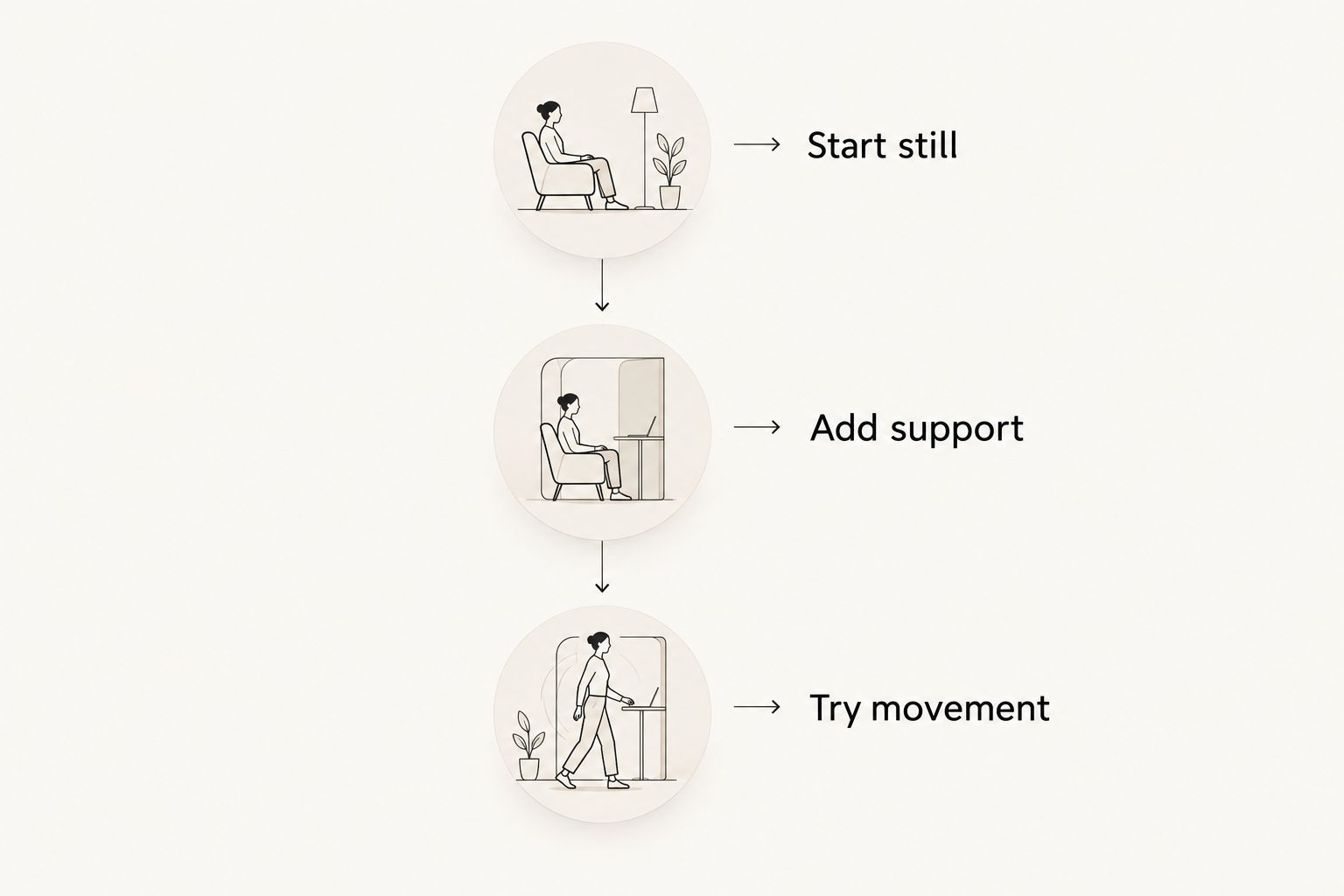
Begin with a comfortable position before adding a new action.
Bring references for the feeling you like, not exact instructions for every joint. Tell the photographer which positions feel comfortable, which you want to avoid, and which outfit details matter. That conversation is more useful than practicing a smile until it feels fixed.
Which senior portrait pose should you choose?
Choose relaxed standing if you are undecided. Add a seated pose for support or a slow walk for movement, then include a close-up when you want the expression to carry the photograph.
Creative Wills Photography offers senior portrait sessions for individuals across Southeast Minnesota. Use your preferred poses to describe what you want from the experience: quiet, expressive, playful, or a mixture. The references should introduce you, not replace you.
FAQ
What's the best senior portrait pose if I feel awkward?
Relaxed standing is the best starting point when you feel awkward. Give your hands a resting place and settle into the position before adding a turn or movement.
What should I do with my hands in senior pictures?
Rest your hands on your thighs, place them loosely together, or hold an object you genuinely use. Avoid gripping clothing or pressing hard against your face.
Are sitting poses better than standing poses for senior portraits?
Sitting poses are better when you want support; standing poses are better when you want freedom to change position. Choose based on comfort and the variety you want, not a rule about body type.
How do I make senior portrait poses look natural?
Choose a comfortable position and give yourself a simple action, such as settling your hands or taking a small step. Stop and reset when a pose starts to feel strained.
Should I bring props to my senior portrait session?
Bring a prop when it represents something meaningful to you. An instrument, sketchbook, or piece of sports equipment should support your portrait rather than hide your face.
Can I skip senior portrait poses that feel uncomfortable?
Yes, skip any pose that causes discomfort or requires a movement you do not want to make. A seated, standing, or closer-framed alternative can serve the same purpose without forcing the position.
What senior portrait poses should I plan for 2026?
For 2026, plan a relaxed standing portrait, a supported pose, and an optional movement frame. Add a personal-interest portrait only when it tells a story you want to keep.
One last thing
Ask for a simple frame without the prop, elaborate hand placement, or dramatic turn. Keep the expression and let everything else become quiet.
That photograph gives you a useful contrast to the more expressive images. When choosing a portrait to print, frame, and pass down, compare both versions—not just the one with the most happening.