
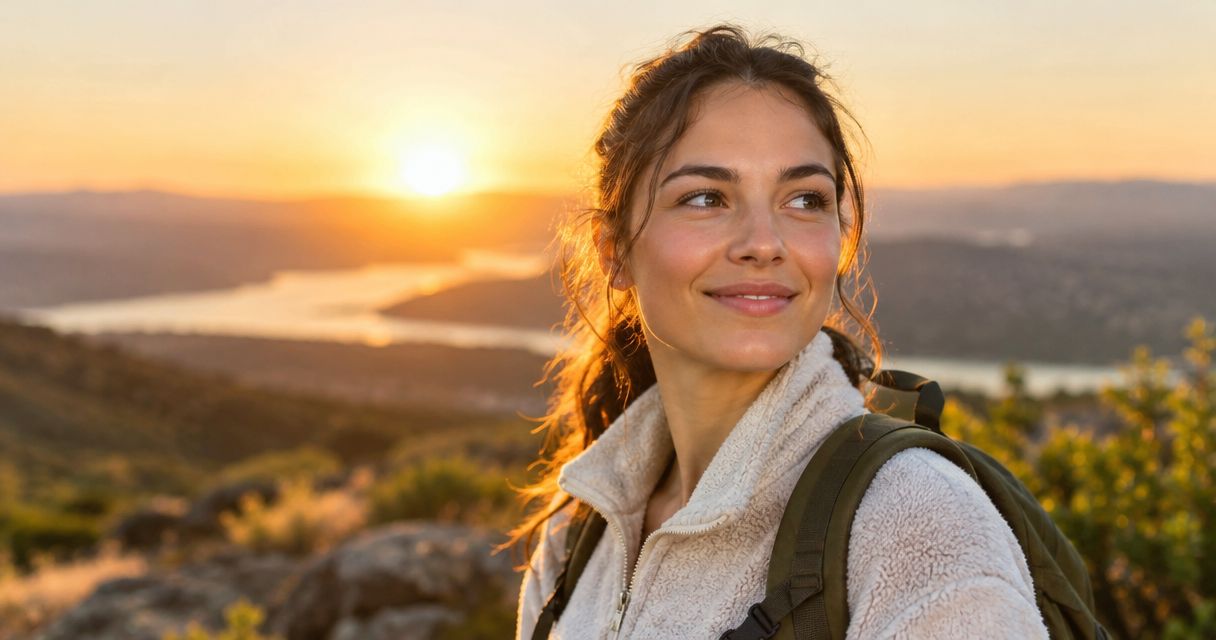
Best overall: sunset golden hour. Best for an early start: sunrise golden hour. Best for a fixed daytime schedule: open shade. The best times of day for outdoor portraits depend on the light at your location, not just the clock; this 2026 guide helps you choose a window before planning a session with Creativewillsphoto.
TL;DR
- The best times of day for outdoor portraits are sunset and sunrise golden hour for low, directional sunlight.
- Choose open shade when family routines or event schedules rule out sunrise and sunset.
- Overcast daylight supports soft portraits, but cloud cover does not guarantee flattering light everywhere.
- Blue hour suits atmospheric portraits; choose golden hour when clear facial detail is the priority.
- Creativewillsphoto is a fit for Rochester families, seniors, and couples seeking portrait photography.
Why this matters
A beautiful location cannot make every hour equally flattering. Direct overhead sun creates different shadows from low evening sunlight, while a shaded doorway produces a different portrait from an open field.
Choose the light first, then match the setting and your schedule. For a 2026 family session, that also means protecting the part of the day when your children feel comfortable. The best family portrait locations in Rochester, MN give you places to consider alongside that timing decision.
A comfortable person in good shade is a better starting point than a tired person chasing sunset. Timing supports the story. It should not become the story.
What makes the best time for outdoor portraits?
Use these criteria before choosing a time slot:
- Light direction: Low sunlight offers side light or backlight; overhead sunlight creates stronger shadows beneath facial features.
- Light softness: Open shade and cloud cover reduce direct sunlight, though the surrounding surfaces still affect the result.
- Location exposure: Buildings, hills, and trees block sunlight before an unobstructed horizon does.
- Personal comfort: Choose a window that fits sleep, meals, temperature, and your willingness to start early.
- Portrait purpose: A professional headshot needs a different treatment from a silhouette or an atmospheric engagement portrait.
- Weather flexibility: A useful plan includes somewhere to stand if sunshine becomes cloud cover, or the reverse.
Outdoor portrait times at a glance
| Rank and window | Best for | Standout quality | Key limitation | |---|---|---|---| | 1. Sunset golden hour | Warm, backlit portraits | Low sunlight with a warm appearance | The useful light ends as the sun drops or becomes blocked | | 2. Sunrise golden hour | Early risers seeking low sunlight | A low-angle alternative to evening light | Preparation happens before sunrise | | 3. Midday open shade | Fixed daytime schedules | Relief from direct overhead sun | Shade quality depends on its surroundings | | 4. Overcast daytime | Soft portraits without visible sun | Diffused daylight | Bright sky and dark surroundings can still create eye shadows | | 5. Blue hour | Atmospheric couples or individual portraits | Cool twilight and a darker mood | Less light makes movement harder to photograph sharply |
1. Sunset golden hour: best for warm outdoor portraits
Sunset golden hour is the period of low sunlight before sunset. It suits portraits with a warm appearance, gentle side light, or a bright rim of light around hair and clothing.
The name is not a promise of exactly 60 minutes. Your latitude, season, weather, and surroundings determine how long the useful conditions last. A wooded path can lose direct sunlight before a nearby open field.
For your 2026 session, ask about the location’s usable light rather than requesting a generic evening appointment. A sunset time tells you when the sun crosses the horizon; it does not tell you when it disappears behind a building.
Sunset golden hour pros:
- Low sunlight gives your photographer options for side lighting and backlighting.
- Warm light suits affectionate family, engagement, and senior portraits.
- Turning away from the sun keeps you from staring directly into bright light.
Sunset golden hour cons:
- Late sunsets can conflict with children’s routines.
- Delays reduce the remaining daylight rather than shifting the session later.
Best for: Seniors, couples, and families who want warm light and can protect the evening window.
Verdict: Buy — choose sunset golden hour as your default when the schedule and location fit.
2. Sunrise golden hour: best for early risers
Sunrise golden hour offers low sunlight shortly after sunrise. Choose it when you want directional light but an evening session does not fit your plans.
The location must work for morning light. A background that catches evening sun does not automatically receive the same light at dawn, because the sun rises in a different direction from where it sets.
Prepare clothing and essentials the evening before. If getting everyone ready early creates stress, the quality of the light will not fix that experience.
Sunrise golden hour pros:
- Low sunlight supports warm, directional portraits without waiting until evening.
- A morning session leaves the rest of your day open.
- Morning light offers a different relationship between your subject and the background.
Sunrise golden hour cons:
- Hair, clothing, and travel preparation begin before sunrise.
- A site chosen for sunset needs a separate morning-light assessment.
Best for: Early-rising adults, couples, and seniors who prefer a morning session.
Verdict: Buy — choose sunrise golden hour when an early start feels easier than an evening commitment.
3. Midday open shade: best for fixed daytime schedules
Open shade means standing out of direct sunlight while remaining lit by the open sky. Think of the shaded side of a building or the edge of a covered area, rather than a dark space deep beneath dense trees.
This is the practical choice when your portrait window falls around midday. Position matters: facing toward the brighter open area usually gives the face more light than facing into a dark wall or wooded interior.
Watch the ground, too. Sunlight reflected from colored walls, grass, or other nearby surfaces can affect skin color. Your photographer should evaluate the entire space, not simply find somewhere without sun.
Midday open shade pros:
- It works around daytime events, work commitments, and family routines.
- It keeps direct overhead sunlight off faces.
- A suitable shaded area supports a consistent look across a group.
Midday open shade cons:
- Dense shade can leave faces darker than the background.
- Moving leaves can create patches of sunlight across skin and clothing.
Best for: Professional headshots, event-day portraits, and families with a nonnegotiable daytime window.
Verdict: Buy — choose open shade rather than forcing direct midday sun to look like sunset.
4. Overcast daytime: best for soft, understated portraits
Overcast daytime is a weather-dependent window, not a particular hour. Cloud cover spreads sunlight across a larger area of sky, creating softer shadow edges than direct sunshine.
That does not make every position equally flattering. A bright sky above a person and dark surroundings in front can still leave the eyes shaded. The direction you face continues to matter.
For a 2026 portrait plan, treat overcast weather as a lighting condition to work with, not a reason to abandon the session automatically. Rain, wind, and personal comfort remain separate decisions.
Overcast daytime pros:
- Diffused daylight reduces the hard shadow edges associated with direct sun.
- You are not dependent on visible sunlight for a soft portrait.
- Understated light keeps attention on expression, clothing, and connection.
Overcast daytime cons:
- Cloud cover does not produce the warm backlit appearance of golden hour.
- Changes in cloud thickness affect brightness during the session.
Best for: Families and individuals who prefer soft light over a visibly sunlit look.
Verdict: Hold — keep an overcast session if the weather and location still support the portraits you want.
5. Blue hour: best for atmospheric outdoor portraits
Blue hour is the twilight period before sunrise or after sunset when natural light takes on a cooler appearance. It suits a quieter, more cinematic portrait rather than a bright, sunlit one.
Less daylight changes the practical demands. Subject movement becomes harder to freeze without adjustments to camera settings or added light, and facial detail needs deliberate attention.
Choose blue hour for its mood, not because the earlier session ran late. It works best as an intentional part of the plan.
Blue hour pros:
- Cool twilight creates a distinct alternative to warm golden-hour portraits.
- Silhouettes and darker compositions become part of the visual story.
- Existing lights can contribute to an evening setting.
Blue hour cons:
- Lower light makes active children and moving groups more demanding subjects.
- Clear, evenly lit faces require a different approach from daylight portraits.
Best for: Couples or individuals who want atmospheric portraits and can follow deliberate posing directions.
Verdict: Hold — choose blue hour for a specific look, not as the default for an entire family session.
How to choose your session window
Choose the mood
Start with the finished photograph. Warm and sunlit points toward golden hour; soft and understated points toward open shade or overcast daylight. Atmospheric and cool points toward blue hour.
Describe what you like about a reference image. Is it the expression, the background, or the light? Those are different requests, and naming the right one makes planning clearer.
Check the sun
For a 2026 booking, check sunrise or sunset for the exact date and Rochester location. Then consider what blocks the horizon at the actual portrait spot.
Ask whether the background receives morning or evening light. A public sunset listing cannot answer that site-specific question.
Check the routine
Protect the subject’s comfort before adding extra locations or clothing changes. If your child is unhappy late in the day, choose shade earlier rather than treating sunset as mandatory.
Keep your preparation simple: choose 2 outfit options in advance, then decide which one suits the location. That is a planning suggestion, not a requirement to change clothes during the session.
Confirm the plan
Review the forecast 24 hours before the session and ask how changes affect the meeting place. Build a 15-minute arrival buffer into your own travel plan so parking and walking do not consume the portrait window.
Creativewillsphoto serves portrait clients across Southeast Minnesota. Bring your preferred mood, your schedule constraints, and the people involved to the timing conversation.
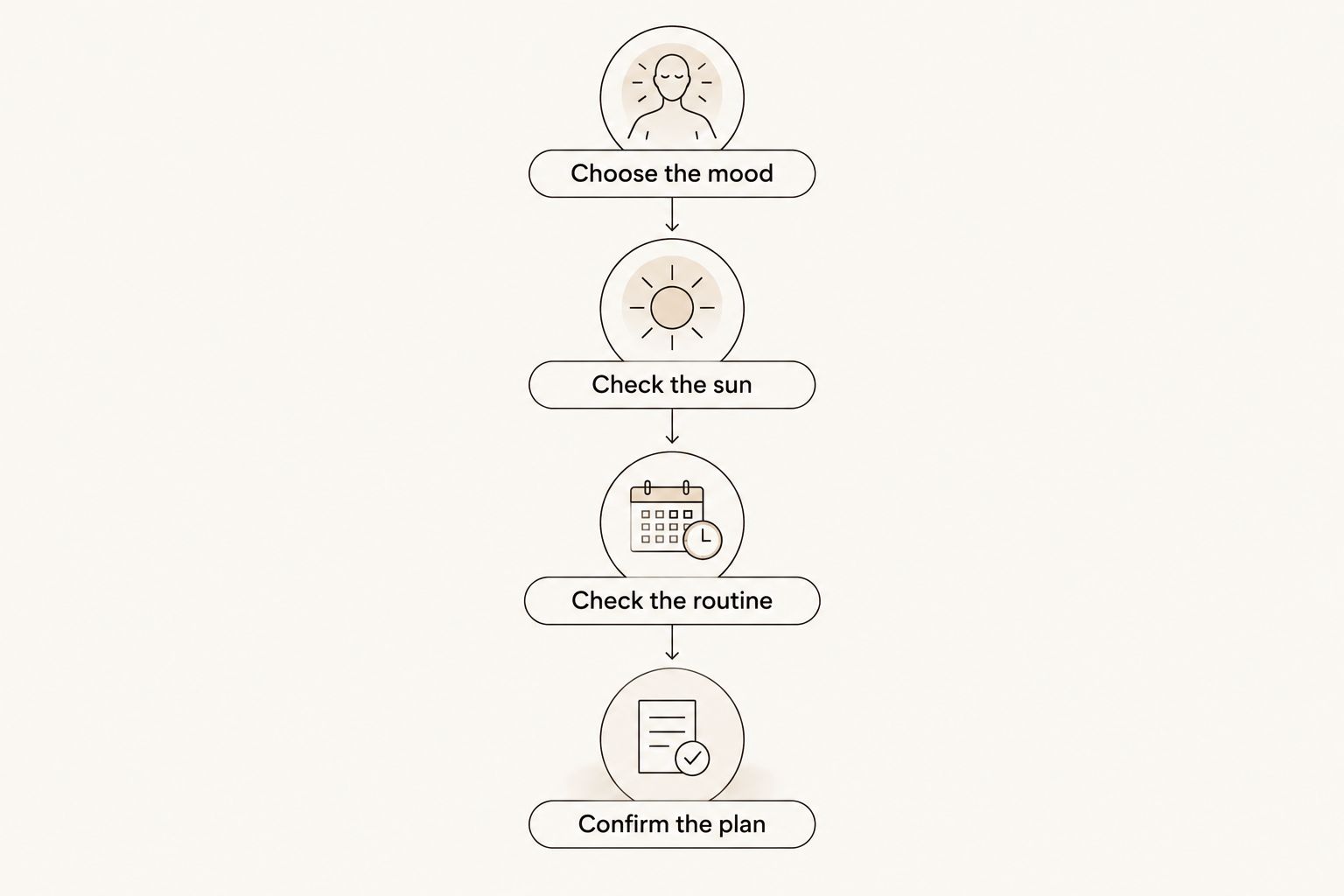
Choose the look first, then check whether the location and your routine support it.
How these portrait windows were ranked
Sunset ranks first because low sunlight supports the warm outdoor look many readers mean when they ask about golden hour. Sunrise offers a similar lighting direction at the opposite end of the day.
Open shade ranks above weather-dependent overcast light because you can select a shaded position without waiting for clouds. Blue hour ranks last as a general recommendation because its darker appearance and movement constraints make it a more specific choice.
This ranking prioritizes light direction, comfort, and practical scheduling. It is a decision guide, not a claim that every sunset portrait is better than every midday portrait.
Which outdoor portrait time should you choose?
Choose sunset golden hour unless your routine, location, or preferred style gives you a clear reason not to. Choose sunrise for an early start, open shade for a fixed daytime schedule, and blue hour only when twilight is part of the intended result.
For your 2026 session, Creativewillsphoto offers portrait photography for seniors, families, couples, and professionals. The useful next step is to match your portrait purpose with a workable light window—not to book a clock time in isolation.
Start planning your portrait story
Explore portrait photography for individuals, couples, and families in Rochester and Southeast Minnesota.
FAQ
What's the best time of day for outdoor portraits?
Sunset golden hour is the best default for warm outdoor portraits with low, directional sunlight. Choose sunrise for an early session or open shade when your schedule requires daytime portraits.
Is sunrise better than sunset for portraits?
Sunrise is better when an early start suits you and the location receives useful morning light. Sunset is better when evening preparation is easier; neither window guarantees a better portrait on its own.
Can outdoor portraits look good at noon?
Yes, outdoor portraits can look good at noon in suitable open shade. Keep direct overhead sun off faces and avoid patches of sunlight falling through leaves.
How long does golden hour last for portraits?
Golden hour does not have a fixed duration at every location. Season, latitude, weather, and obstructions affect how long low sunlight remains useful for portraits.
Should I cancel outdoor portraits if it's cloudy?
Cloud cover alone is not a reason to cancel outdoor portraits. Overcast daylight supports soft portraits, while rain, wind, safety, and comfort require separate decisions.
What's the best portrait time for young children?
The best portrait time for young children is a comfortable part of their routine with suitable light. Choose open shade earlier in the day when a late sunset conflicts with sleep or meals.
How do I choose a Rochester portrait time in 2026?
Check sunrise or sunset for your exact 2026 session date, then confirm how the location blocks or receives that light. Match the usable window to your portrait style and the people being photographed.
One last thing
The official sunset is not necessarily your location’s sunset. A building, wooded ridge, or line of trees can take away direct light while the sky still looks bright.
Ask one specific question before settling on the meeting time: When does the light leave the spot where we will stand? That answer is more useful than a generic instruction to arrive at golden hour.