
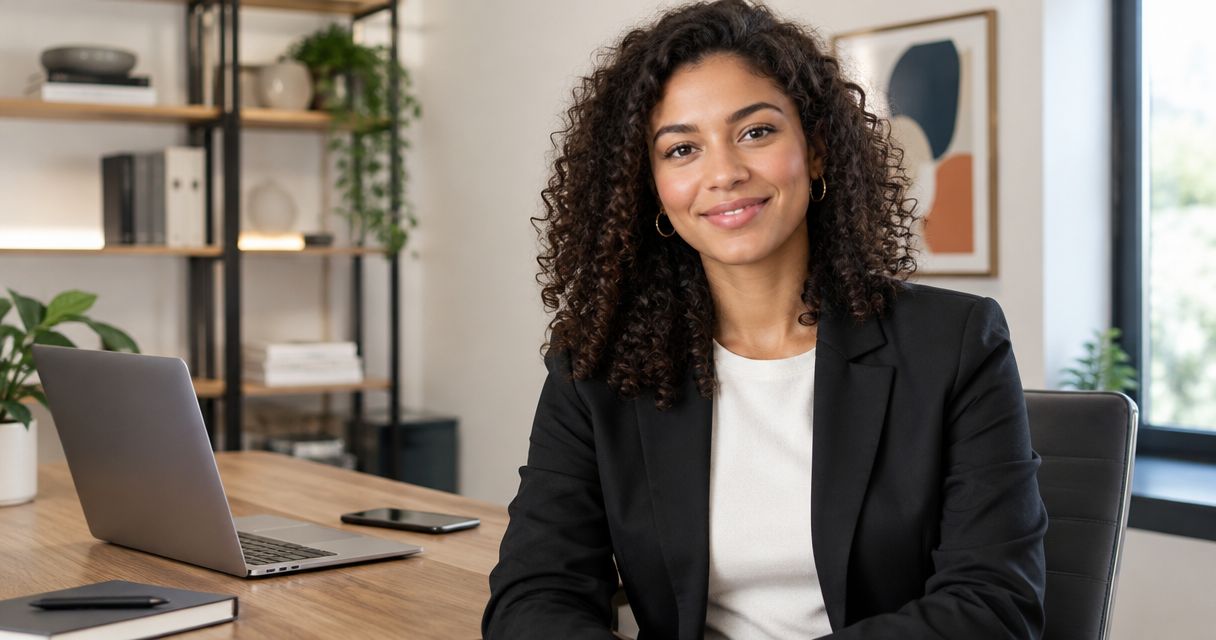
Best overall: a matte blazer over a simple top. Best for formal leadership portraits: a coordinated suit. Best wardrobe-first option: a well-fitting solid shirt you already own. These business headshot outfit tips help you choose clothes that frame your face, fit your work, and still feel like you in 2026.
TL;DR
- Best headshot outfit tips business professionals can use: prioritize fit, matte fabric, and a quiet neckline.
- A matte blazer is the best default when your headshot needs to work across professional settings.
- Choose a suit for formal roles, a knit for approachable portraits, and a solid shirt for everyday credibility.
- Creativewillsphoto offers professional headshots in Rochester, Minnesota; choose clothing that reflects how you actually work.
Why this matters
Your clothing shares the frame with your expression. A twisted collar, distracting print, or uncomfortable jacket gives the viewer something else to study when your face should lead.
Start with the picture's purpose. A company directory, speaking biography, and independent consultant's website can call for different levels of formality; the guide to headshot styles for LinkedIn profiles helps connect that purpose to the portrait style.
Creativewillsphoto is a fit for professionals seeking headshot photography in Rochester and across Southeast Minnesota. Your outfit decision starts with the people who will see the photograph, not with a dress code borrowed from another profession.
What makes the best business headshot outfit?
Use these criteria to compare outfits before choosing a favorite. For a 2026 headshot, aim for an accurate portrait of your working life rather than a temporary styling trend.
- Audience fit: Match the expectations of your clients, colleagues, or prospective employers.
- Shoulder fit: Look for a clean shoulder line without pulling, sagging, or bunching.
- Quiet fabric: Favor surfaces that do not compete with your face through shine or busy detail.
- Face framing: Choose a collar or neckline that stays comfortable and sits neatly.
- Background separation: Keep the outline of your clothing distinguishable from the setting.
- Personal accuracy: Wear something you recognize as your own professional style.
Business headshot outfits at a glance
These are outfit formulas, not rules about gender or seniority. Choose the row that describes how you need the portrait to work.
| Outfit | Best for | Standout feature | Key limitation | |---|---|---|---| | Matte blazer with a simple top | Broad professional use | Structure with flexible formality | Poor fit becomes conspicuous around shoulders | | Coordinated suit | Formal leadership portraits | A consistent, deliberate silhouette | Can feel too formal for an informal workplace | | Solid collared shirt | Using your existing wardrobe | A straightforward frame around the face | Collar and placket need careful attention | | Fine-gauge knit | Approachable client-facing portraits | A softer outline without a jacket | Thin fabric can reveal underlayers | | Solid blouse or structured shell | A clean, jacket-free portrait | An uncluttered neckline | Draping can shift when you move | | Restrained signature layer | Creative or independent roles | Personal style with a clear focal point | Distinctive details can dominate a tight crop |
1. Matte blazer: best for broad professional use
A matte blazer over a simple top is the strongest default when you need one portrait for several professional settings. It creates a defined shoulder line while leaving room to adjust the formality through the layer underneath.
Choose the combination you would wear to an important meeting. The jacket should feel like part of your working wardrobe, not a costume borrowed for the camera.
Matte blazer pros:
- Adds structure without requiring a full suit.
- Works with a shirt, blouse, shell, or fine knit.
- Gives you a clear outer silhouette.
Matte blazer cons:
- Tight shoulders restrict natural posture.
- Lapels can bunch when you sit or turn.
Best for: Professionals whose portrait needs to work on a company page, networking profile, and speaker biography.
Check the blazer both open and fastened. Choose the position that keeps the lapels flat without pulling across your torso.
Verdict: Hold onto a well-fitting blazer; skip one that needs constant adjustment.
2. Coordinated suit: best for formal leadership portraits
A coordinated suit makes formality an intentional part of the photograph. Choose it when that presentation matches your actual role, organization, or client relationships.
A tie is a separate decision, not an automatic requirement. Look at how you present yourself in the professional situations the headshot will represent.
Coordinated suit pros:
- Creates a consistent line through the visible outfit.
- Supports a deliberately formal presentation.
- Keeps separate garments from competing visually.
Coordinated suit cons:
- Can misrepresent a consistently casual working style.
- An uncomfortable collar affects how freely you move.
Best for: Professionals who regularly wear formal business clothing or need a portrait aligned with an established corporate dress standard.
For a 2026 leadership portrait, check current company photographs before deciding. Match the organization's level of formality without copying another person's clothing.
Verdict: Buy only if formal tailoring belongs in your working wardrobe; otherwise, skip the suit.
3. Solid collared shirt: best for using your existing wardrobe
A solid collared shirt keeps the outfit direct and familiar. Start with one you already trust rather than assuming a new garment will photograph better.
The collar does much of the visual work. Check that both sides sit intentionally and that the opening stays where you want it when you turn your head.
Solid collared shirt pros:
- Avoids unnecessary layering.
- Reflects everyday business dress.
- Lets your expression carry the portrait.
Solid collared shirt cons:
- Wrinkles remain visible without a jacket.
- Gaps or pulling along the placket distract from the face.
Best for: Professionals who want an honest, uncomplicated portrait without adding unfamiliar clothing.
Try sitting and standing in the shirt. If the front pulls, choose a different fit rather than relying on a pose to conceal it.
Verdict: Hold onto the shirt that fits correctly; skip the one that only looks good while you stand rigidly.
4. Fine-gauge knit: best for approachable client-facing portraits
A fine-gauge knit gives the portrait a softer outline than tailoring. It suits professionals who want their clothing to reflect an informal, relationship-focused working style.
Look closely at the garment's surface. Pilling, stretched necklines, and visible underlayers deserve attention before you arrive.
Fine-gauge knit pros:
- Creates a simple, uninterrupted clothing shape.
- Avoids collar points and jacket lapels.
- Fits naturally into less formal professional wardrobes.
Fine-gauge knit cons:
- Thin fabric can show seams underneath.
- A loose neckline can shift with posture.
Best for: Client-facing professionals whose normal presentation is polished but not tailored.
Choose a neckline that stays comfortable when seated. A garment that needs repeated tugging is a poor choice, however appealing its color looks on the hanger.
Verdict: Hold onto a smooth, well-shaped knit; skip stretched or visibly worn fabric.
5. Solid blouse or structured shell: best for a jacket-free portrait
A solid blouse or structured shell creates a clean portrait without the visual weight of a jacket. The useful distinction is construction: choose enough shape to keep the neckline and shoulders settled.
Test the garment in the posture you expect to use. Draping that looks intentional while standing can gather differently when seated.
Blouse or shell pros:
- Leaves the face and neckline visually clear.
- Removes jacket fit from the decision.
- Offers a polished alternative to a collared shirt.
Blouse or shell cons:
- Loose folds can gather across the chest.
- Slippery fabric can require repeated adjustment.
Best for: Professionals who prefer a clean, jacket-free silhouette in their business portraits.
Keep visible underlayers intentional. Check straps, seams, and coverage while moving rather than inspecting only a still reflection.
Verdict: Hold onto a stable neckline; skip a garment that will not stay in place.
6. Restrained signature layer: best for independent professionals
A distinctive jacket, textured overshirt, or recognizable accessory can express personal style. Use this option when an entirely conventional outfit would misrepresent how you work.
Give the portrait a clear focal point. If your jacket already has pronounced texture, keep the layer underneath quiet.
Signature layer pros:
- Reflects an established personal style.
- Distinguishes the portrait from standard office dress.
- Connects your photograph to how clients know you.
Signature layer cons:
- Strong details compete with facial expression.
- A conspicuous trend can distract from the portrait's purpose.
Best for: Independent professionals and creative practitioners whose appearance is part of their public identity.
For your 2026 portrait, choose a signature you genuinely wear, not an identity assembled for one session. Familiar clothing gives you less to manage.
Verdict: Hold onto authentic personal details; skip statement pieces that overpower your face.
Check color, fabric, and fit together
No color wins independently of the person wearing it and the setting behind them. Navy, charcoal, cream, and muted green are options to compare, not a universal palette you must follow.
Hold each garment near your face in indirect daylight. Look for a combination in which your features remain the first thing you notice; then check whether the clothing separates clearly from the intended background.
Fabric names alone do not settle the decision. The discussion around Supima cotton silk shirts belongs alongside fit and finish: inspect the actual shirt for sheen, transparency, and collar behavior rather than choosing it by fiber description alone.
Small repeating patterns deserve a camera check because they can produce moiré, an interference pattern in digital images. Take a sample photograph and inspect it, but do not treat a phone preview as a guarantee of the final camera result.
Use this three-step outfit check
Give your 2026 outfit choice a practical rehearsal. You are checking how clothing behaves, not trying to judge your face or rehearse a fixed smile.
- Check standing. Face a mirror naturally. Inspect shoulders, collar, neckline, and visible underlayers without holding the fabric in place.
- Check seated. Sit as you normally would. Look for pulling buttons, rising hems within the crop, and folds that collect around the neckline.
- Check movement. Turn slightly, relax your shoulders, and breathe normally. Replace anything that needs repeated correction.
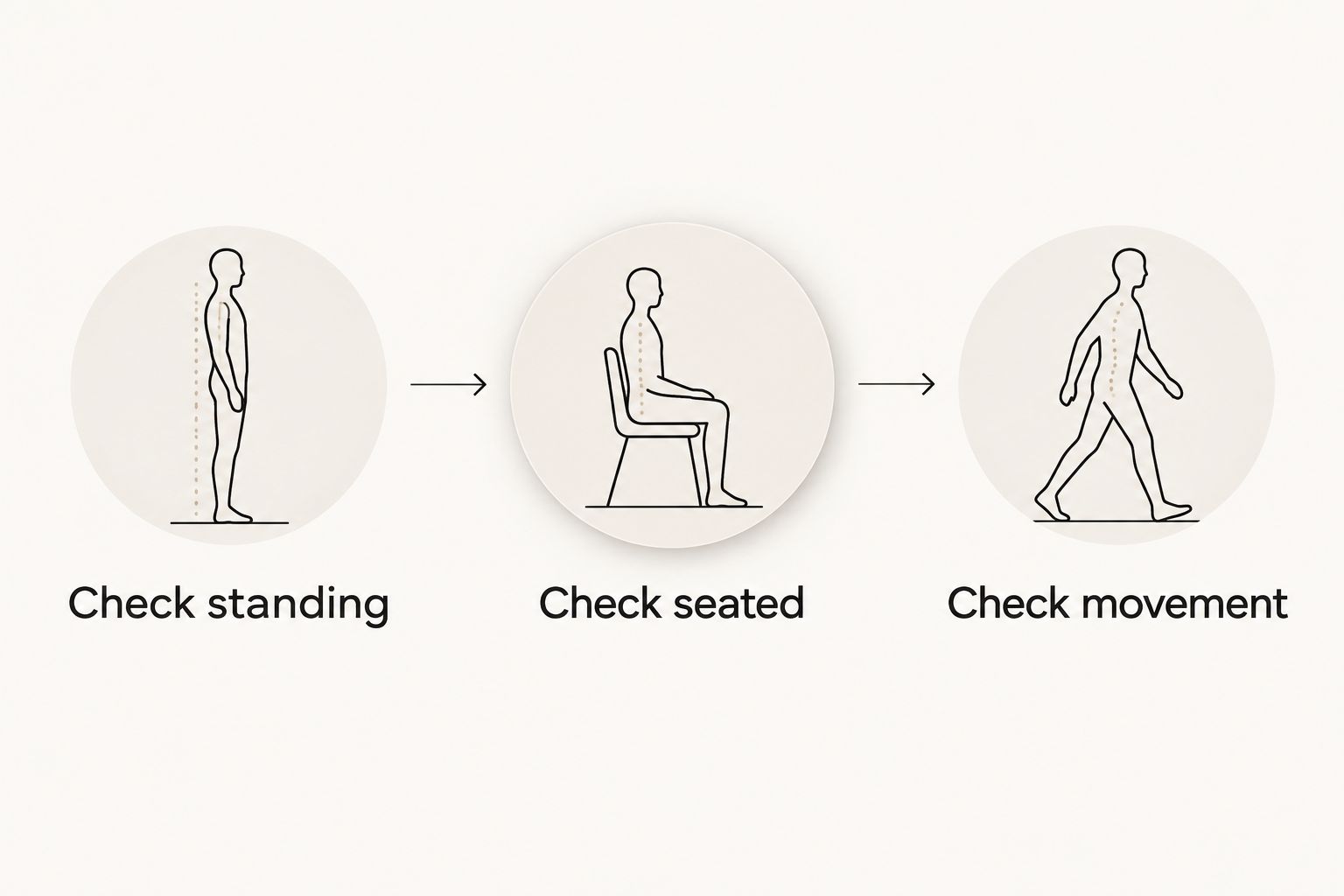
Choose clothing that stays settled when your posture changes.
Bring 2 complete outfit options if you want a backup: your preferred look and a genuinely different alternative. Confirm session arrangements before assuming outfit changes are included.
Prepare the whole outfit, even for a tight crop. Feeling comfortable from shoulders to shoes is more useful than assembling a camera-facing top half that makes movement awkward.
How these outfits were ranked
The matte blazer ranks first because it balances structure and adjustable formality. The remaining options each serve a different brief: formal leadership, existing-wardrobe simplicity, approachability, jacket-free polish, or personal identity.
These are styling recommendations, not results from a garment test. No outfit overrides the main criteria: audience fit, comfortable construction, quiet detail, and an accurate representation of you.
Which business headshot outfit should you choose?
Choose the matte blazer if you are undecided. Choose another formula when it better matches the way people encounter you at work.
For professional headshot photography with Creativewillsphoto, use your intended audience as the starting brief. Explain where the image will appear, how formal your work is, and which clothing already feels natural.
Plan your professional headshot
Explore portrait photography for professionals in Rochester and Southeast Minnesota.
FAQ
What's the best outfit for a business headshot?
A matte blazer over a simple top is the best general starting point. Choose a different outfit when your workplace is distinctly more formal or more casual.
Should I wear a suit for my professional headshot?
Wear a suit when it reflects your role and the audience for the photograph. A suit is not necessary for every professional portrait.
What colors should I avoid in a business headshot?
Avoid any color that distracts from your face or makes your clothing disappear into the background. Compare actual garments near your face rather than following a blanket ban on white, black, or bright colors.
Can I wear patterns in a professional headshot?
Yes, but check the pattern on camera before committing. Fine repeating patterns can produce moiré, while large graphics can become the portrait's main focal point.
How many outfits should I bring to a headshot session?
Prepare 2 complete options as a practical backup plan. Confirm the session's outfit-change arrangements before assuming both will be photographed.
Should I wear glasses in my professional headshot?
Wear your usual glasses if they are part of how people recognize you professionally. Clean the lenses and tell the photographer about reflections rather than choosing an unfamiliar look solely for the camera.
Does Creativewillsphoto offer professional headshots in Rochester?
Yes. Creativewillsphoto offers professional headshots for individuals and businesses in Rochester, Minnesota, and across Southeast Minnesota.
One last thing
Check your outfit from the side. A collar that looks tidy straight on can lift at the back, and a jacket can gather behind your neck when your shoulders relax.
Before your 2026 session, make that final check with your arms resting naturally. The right outfit stays quiet while you become the subject.